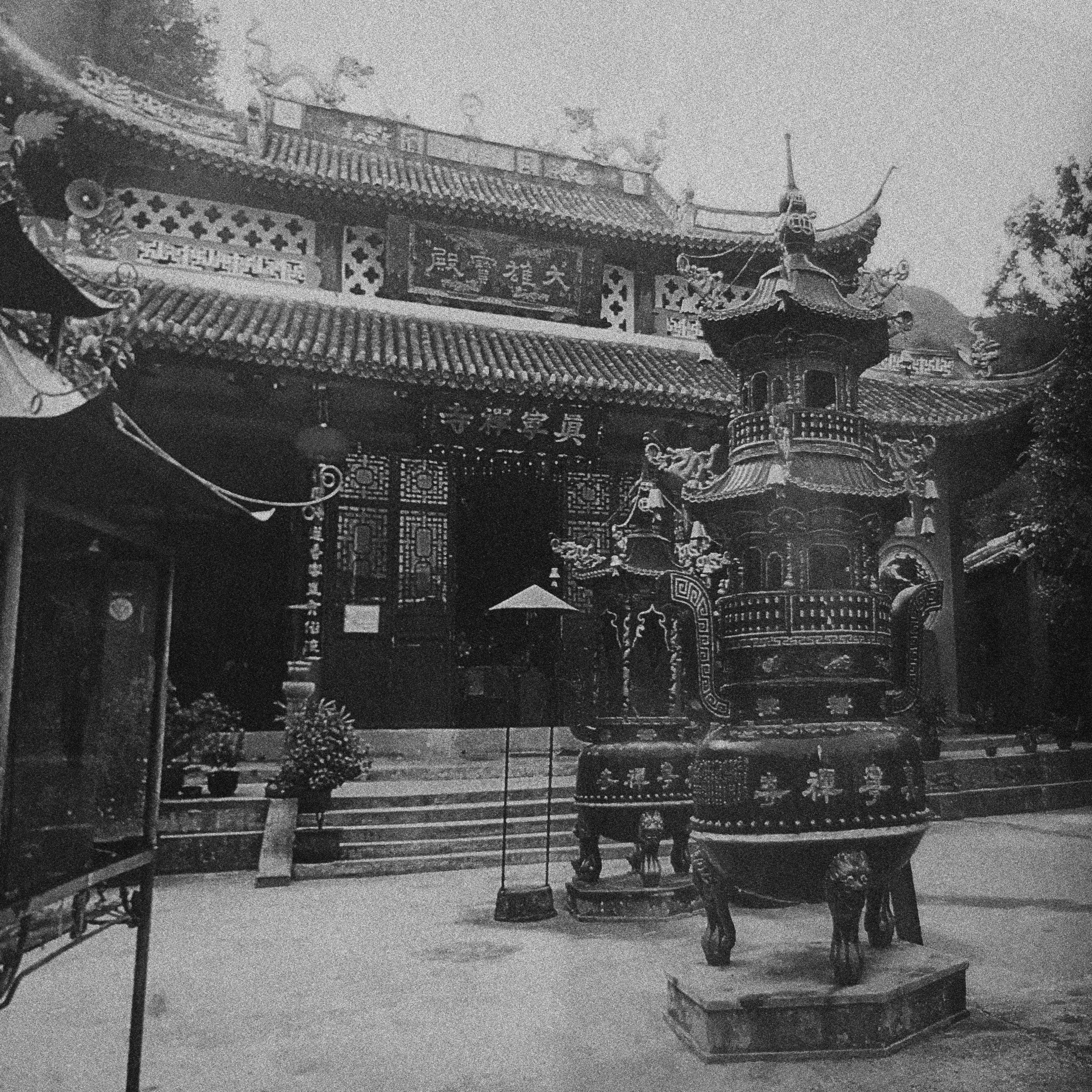
The Origin: Zhen Ning Jing Si Temple
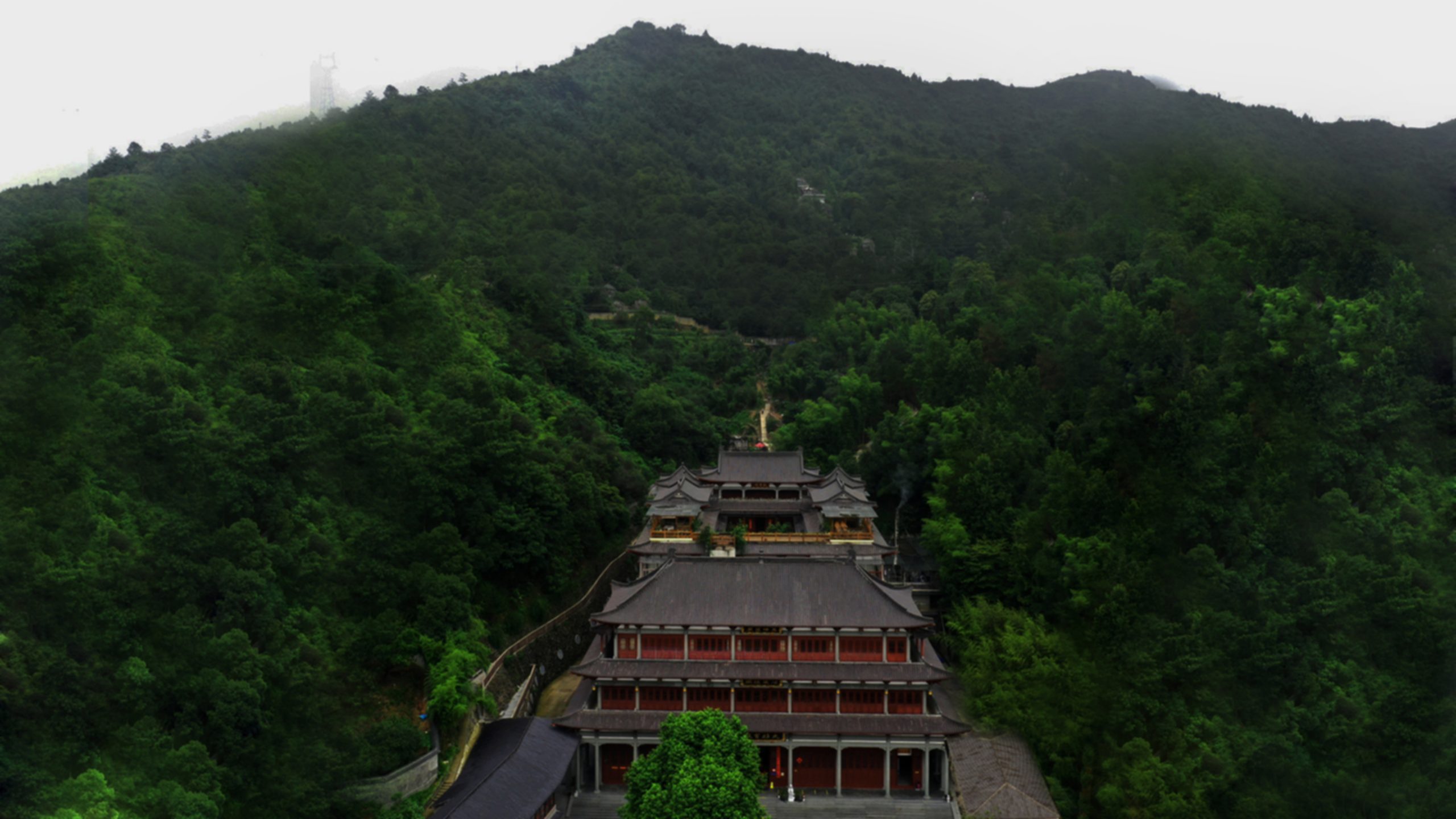
On Fanhua Beilu Street in Wenxi City, Qingtian County, Zhejiang Province, China, stands the Zhen Ning Jing Si Temple. It has Mount Ma An at its back and the Ou River on the horizon. The original building dates back to the Chenghua period of the Ming dynasty, under the name of Zhen Yin Tang. In the 1980s, Buddhist believers rebuilt the temple in a new location. In 2009, Master Renshan came to preside over the affairs of the temple and renamed it Zhen Ning Jing Si, initiating a new reconstruction of the building and the creation of the cultural platform.
After reconstruction, the temple became a monastery of the Pure Land current. Since then, its mission has been to serve society. All its activity is guided by the principles: to give oneself to life with sincerity, to balance body and mind with serenity, to purify society with Buddhism, and to make the temple a vehicle of the Dharma.
Buddhism is a religion integrated into worldly life and should not be understood as a practice isolated from people’s daily lives. The monastery organises cultural events and lectures, and provides opportunities for everyone to achieve a more serene life. Through learning Buddhist wisdom, it encourages people to serve society with the best they can give of themselves.
Qingtian is known as the home county of many Chinese emigrants. There are approximately 381,000 Qingtians living in 146 countries, 90% of whom are in Europe. Upon returning to their native home, many of the emigrated Qingtians found deep solace in Zheng Ning Jing Si Temple, and thus expressed to Master Renshan the spiritual concerns of the overseas Chinese community. Listening to their demands, the Master and the monastic team of Zhen Ning Jing Si Temple took on the mission to serve the needs of the Chinese diaspora and to take advantage of the circumstances to raise awareness of Buddhist culture abroad. Since 2018, the temple has carried out various cultural and religious activities with the concept of migration as a cultural bridge.
From 2018 to 2019, at the invitation of the overseas Chinese, Master Renshan led delegations to Europe to give lectures in Spain, Italy and Rome. Finally, on 1 December 2019, he established the Hai Hui Shan Buddhist Community in Barcelona. The founding of the community received positive responses and strong support from the Chinese diaspora. The Qingtian Buddhist Cultural Exchange Centre was established on 5 October 2022 by the decision of the President of the Zhejiang Buddhist Association. The Forum was successfully held, bringing together the Buddhist community, overseas Chinese, and international friends to create an international Buddhist cultural festival, raising further reflections on cultural exchange and mutual appreciation among civilisations.