General History of Buddhism
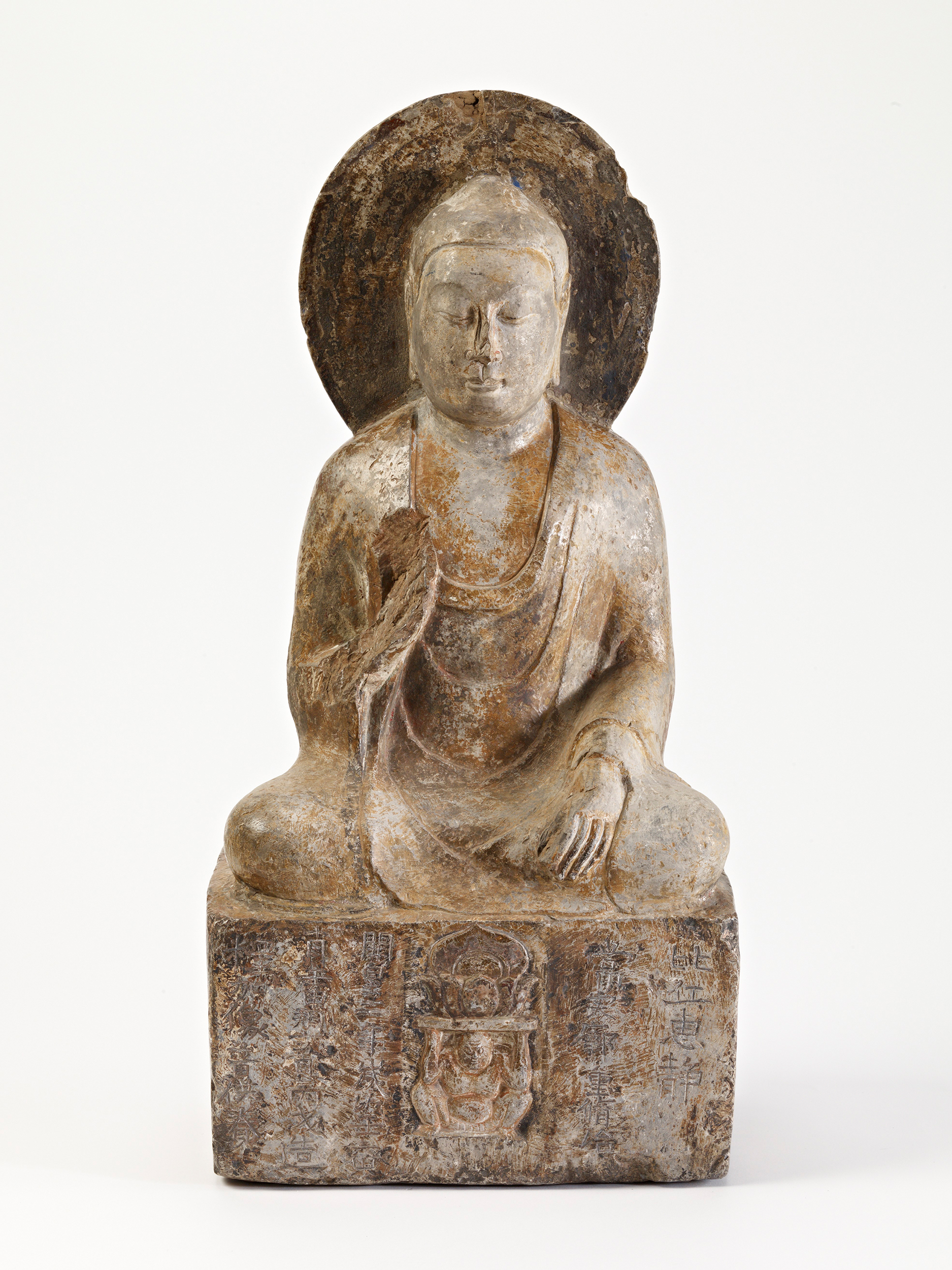
2600 years ago, Buddha was born in the ancient Indian kingdom of Kapilavastu (present-day Nepal) under the name of Siddhārtha Gautama. He was a prince of the Sakia clan but at the age of 19, having witnessed the suffering caused by birth, old age, sickness and death, he renounced his throne and set out on a quest for the ultimate realisation of life.
After leaving the palace, Siddhārtha followed various teachers for five years to practise meditation. He then went into a forest on the banks of the Nairanjananadi River, eating only a few hemp seeds and wheat grains a day. After six years of hard asceticism, Siddhārtha realised that this practice would not lead him to the ultimate understanding of life. He got up and bathed in the river Nairanjananadi. After bathing, a shepherdess saw him so consumed that she offered him rice porridge. Siddhārtha ate it, regained his strength and sat down again, this time under a pipal fig tree – later known as the “sacred fig tree” or the “bodhi tree”. Then, he vowed that he would not get up until he found the ultimate truth.
After 49 days of meditation, Siddhartha looked up at the sky, saw the stars in the firmament and finally understood the truth that governs the universe: he entered a state of awakening and complete discernment. His first words were: “Wonderful, wonderful. All sentient beings possess the wisdom and virtue for the fullness of life, but are unable to realise it because of the delusions of their mind.” He understood the ultimate cause of suffering and how to eliminate it.
For 49 years, Siddhartha continued to share the truth he had discovered under the bodhi tree with all beings, from all walks of life and from all over India. He became known as the Buddha, the man of Full Enlightenment. He preached an education based on the perfecting of life, teaching all beings how to lead a happier and fuller life. Thus, the Buddha’s true profession was teaching, which is why he is sometimes called “the Teacher”. The Buddha’s pupils are all of us who aspire to happiness.
For centuries, the Buddha’s teachings have had their core influence in East Asia, but in the 20th century, Buddhism spread to Europe and the United States and is now present all over the world.